Liquefied Natural Gas (LNG) is natural gas that has been cooled to an ultra-low temperature and converted into liquid form to enable efficient large-scale transport and storage across global markets.
Composed primarily of methane, LNG is odourless, colourless, non-toxic and non-corrosive, offering a highly energy-dense and clean-burning fuel source that plays a central role in modern energy systems.
By significantly reducing greenhouse gas emissions and air pollutants compared to coal and oil, LNG is widely regarded as a critical transition fuel supporting the shift toward more sustainable energy infrastructure.
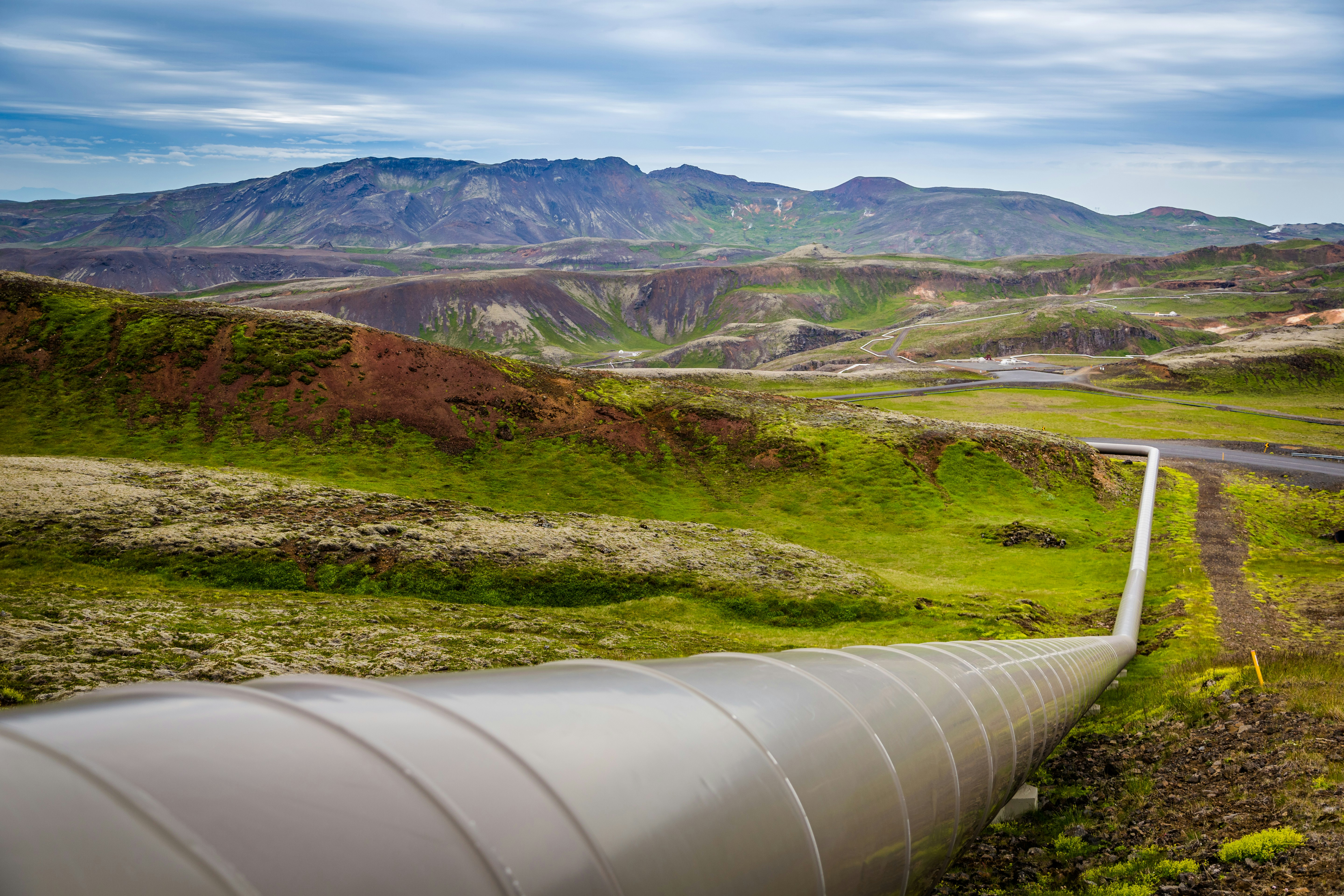
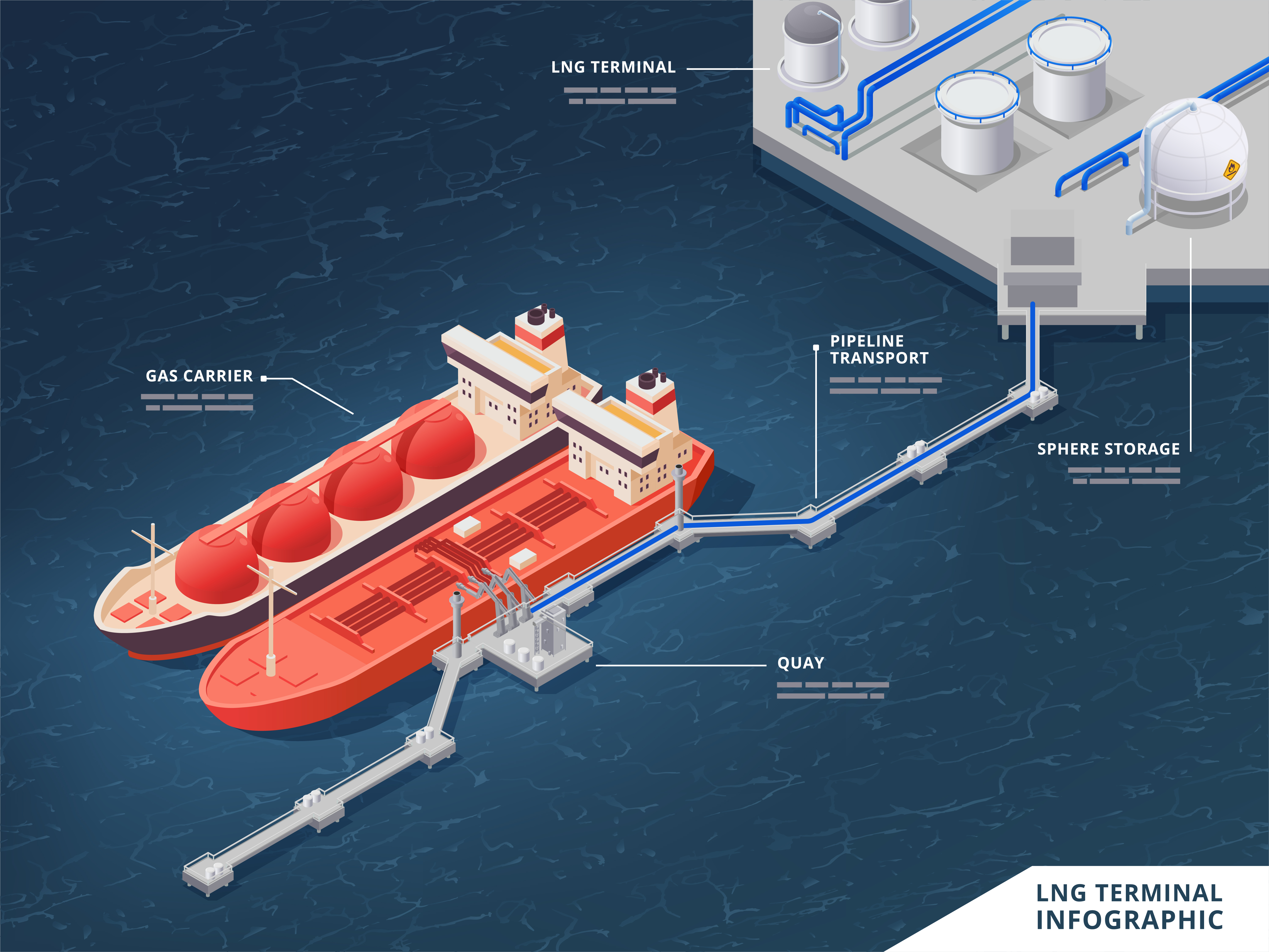
Natural gas is extracted from underground reservoirs and transported through extensive pipeline networks to liquefaction facilities, where it is purified, dehydrated and cooled to approximately -162°C.
Once liquefied, its volume is reduced by around 600 times, allowing LNG to be transported economically across vast distances by specialised cryogenic carriers.
This infrastructure enables gas-producing regions to supply energy-deficient markets, creating a globally interconnected LNG trade system that underpins energy security for entire economies.
Intergas operates at the commercial interface of the LNG value chain, facilitating international supply agreements between producers, infrastructure operators and large-scale energy buyers.
Through strategic introductions, contract structuring and market intelligence, Intergas enables the execution of complex LNG transactions across international jurisdictions.
By aligning counterparties and negotiating long-term supply frameworks, Intergas supports secure and efficient LNG flows within critical global energy supply chains.